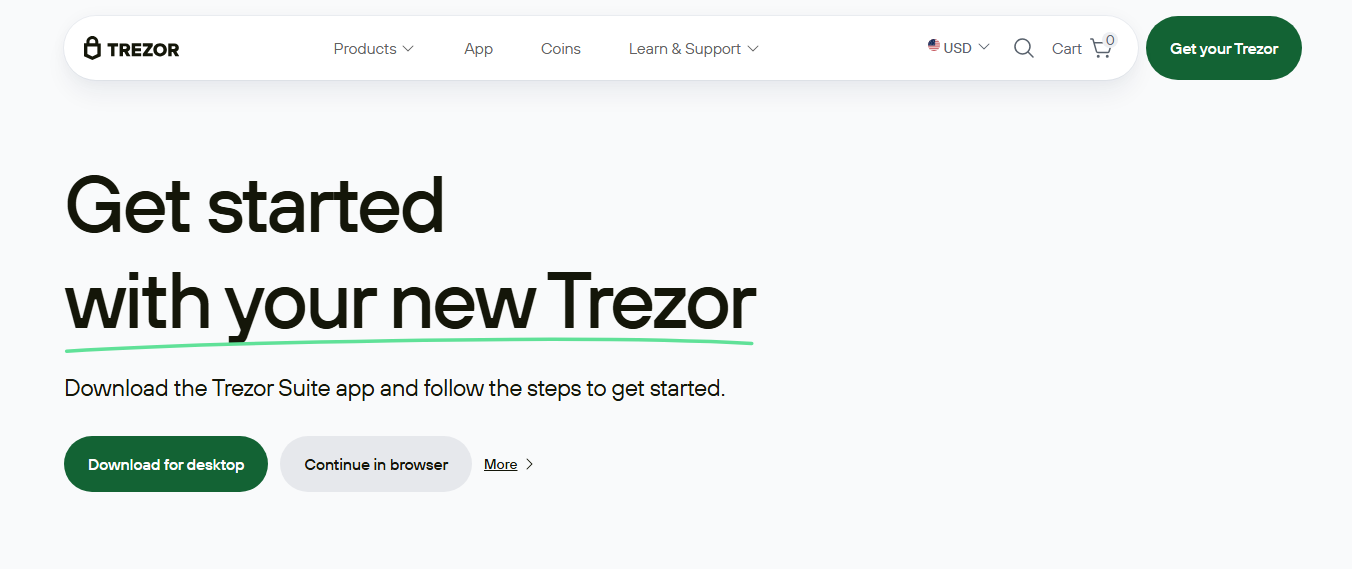
Trezor Login
Everything you need to know about securely accessing your Trezor hardware wallet. This guide walks you through the official login process, setup best practices, and advanced tips to keep your digital assets safe.
Introduction to Trezor Login
The Trezor Login process is more than just entering a PIN or connecting your device. It is the first line of defense in safeguarding your cryptocurrencies. Unlike software wallets that rely on passwords stored in apps or browsers, Trezor ensures that your login credentials and private keys remain in an isolated, offline environment.
How Does Trezor Login Work?
The login process involves several steps that combine physical device security and user input:
- Connect your Trezor device to your computer via USB.
- Open Trezor Suite — the official app that facilitates wallet management.
- Enter your PIN on a randomized grid displayed on your computer while confirming positions on the device screen.
- (Optional) Enter your passphrase, which acts as an extra password for unlocking hidden wallets.
- Access your dashboard to manage assets, send/receive crypto, and monitor balances.
Why Trezor Login Is Different
Unlike centralized exchange logins (email & password), Trezor Login happens with something you own (the hardware wallet) and something you know (PIN and optional passphrase). This two-factor combination greatly minimizes risks of hacks or credential leaks.
Trezor Login vs Traditional Logins
| Aspect | Trezor Login | Traditional Login |
|---|---|---|
| Credentials | Device + PIN + optional passphrase | Email + password |
| Storage of Keys | Offline on the device | Online servers or apps |
| Risk of Phishing | Very low (requires device confirmation) | High (emails & fake websites can steal login) |
| Access Recovery | Recovery seed + passphrase | Password reset via email |
Best Practices for Trezor Login Security
- Verify URLs: Always type trezor.io manually; never click unknown links.
- PIN hygiene: Use a unique PIN and never share it.
- Passphrase: Add one if you want a hidden wallet for extra protection.
- Firmware updates: Keep your device updated via official Suite prompts.
- Recovery safety: Write your seed on paper/metal and store offline.
Real-World Example
Maria, a mid-level crypto user, once received an email urging her to "log in" to her Trezor via a link. The site looked convincing, but when she connected her device, it asked for her recovery seed online. Because Maria understood the authentic Trezor Login process, she knew that the device never asks for her seed online. She closed the site immediately, avoided a scam, and later helped other users recognize similar phishing traps.
Frequently Asked Questions
Do I need an internet connection to log into Trezor?
Yes, you need internet to connect to Trezor Suite and broadcast transactions, but your keys always remain offline in the device.
Can I log in without the hardware device?
No. The device is required since your keys never leave it. Without the device and seed, access is impossible.
What if I forget my PIN?
You can reset your device using the recovery seed. Without the seed, assets cannot be recovered.
Is passphrase login recommended?
Yes, if you’re comfortable with the extra step. It adds strong protection against physical theft.
Conclusion
Trezor Login is not just about access—it's about ensuring every step between you and your crypto remains secure. By connecting only via official Trezor Suite, using your device, verifying PINs on-screen, and optionally adding a passphrase, you reduce risks of phishing and theft dramatically.
In a world where online threats evolve daily, your login routine becomes your fortress. Master it, and you master your crypto security.